Enabling Older Adults to Prioritize Physical Activity Through Structured Training Recommendations
Wiki Article
Remaining active is important for individuals of every age group, but it turns especially important as persons age. For older adults, regular movement supports maintaining autonomy, supports flexibility, and enhances quality of life. Well-rounded fitness plans deliver aging individuals with systematic strategies to physical health that address stability, flexibility, strength, and resilience. By following carefully planned workout recommendations, seniors can elevate their daily function while lowering the likelihood of falls, health conditions, and cognitive decline.
Exercise for seniors is not confined to intense training sessions or heavy exercise regimens. It centers instead on low-impact, steady, and maintainable physical engagement that suits individual ability levels. Activities such as leisure walking, flexibility drills, chair yoga, and bodyweight exercises help retaining range of motion and strength. Aerobic workouts like water fitness or recumbent cycling boost cardiovascular function, which are vital for supporting stamina and stamina. These physical practices also support mental function, as research have indicated that regular exercise can improve recall, outlook, and mental performance.
Thorough exercise guidelines highlight a balanced strategy to health, addressing bodily, emotional, and community dimensions of health. Click Here Older adults are encouraged to ease in and progress at a manageable speed, maintaining safety while avoiding fatigue. Incorporating mobility sessions reduces muscle soreness, while adequate hydration and diet enhance physical activity. Additionally, community-based programs—such as senior workout groups or fitness meetups—provide chances for social interaction, engagement, and emotional support, which are just as vital to this page overall health.
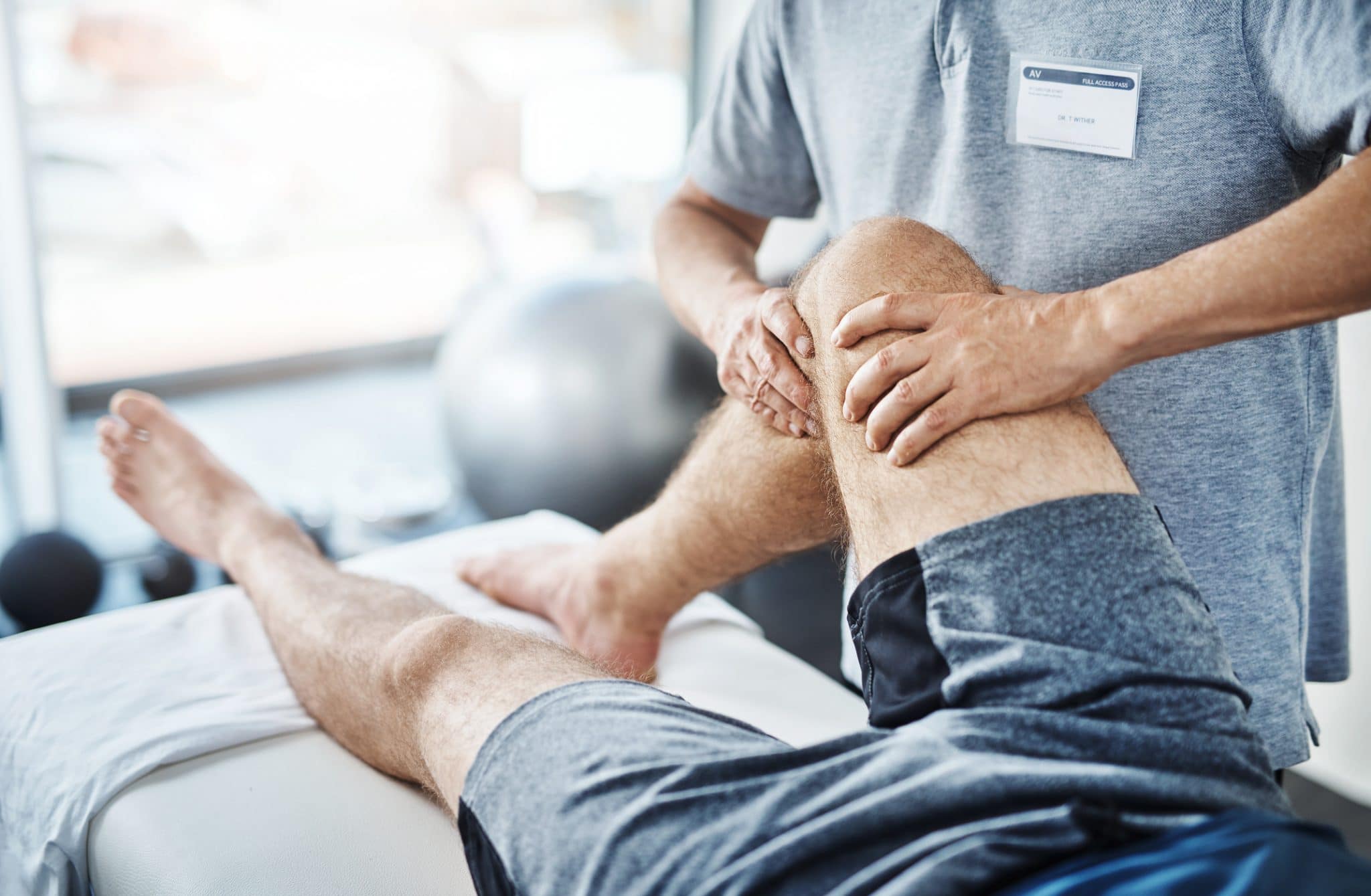
Expert assistance acts as a crucial part in assisting seniors design personalized exercise plans. Seeking advice from physicians, physical therapists, or certified fitness trainers guarantees that plans are aligned to personal health conditions, fitness levels, and targets. These experts can recommend safe training methods that account for issues such as mobility concerns, bone fragility, or aerobic restrictions. Through ongoing assessment and revision, training programs remain effective and motivating, encouraging sustained participation and progress.
Overall, motivating elders to embrace fitness through structured fitness frameworks fosters a culture of healthy living. When seniors are equipped with knowledge, inspiration, and organized systems, they develop confidence in their physical abilities and enjoy greater independence. Regular exercise enhances not only body health but also cognitive health and well-being. By supporting adaptive, expert-led fitness programs, organizations can ensure that each older adult has the opportunity to lead a active, vibrant, and rewarding lifestyle.